
EU Packaging Reform Takes Force: Essential Compliance Strategies
9 Apr, 2026
Officially in force now, the European Union’s Packaging and Packaging Waste Regulation (PPWR)
of the European Union represents a significant turning point in global
environmental projects. Setting rigorous new standards for
environmentally friendly packaging in all spheres, the European Union
Packaging and Packaging Waste Management Regulation. This changing
regulation sets a new standard for sustainable packaging
practices worldwide by introducing strict standards that will change
packaging tactics and demand quick response from businesses running in
or exporting to European Union markets.
Targeted Compliance Guidelines and Standards
Driven by legally enforced targets, essential to the PPWR is a 15% per capita cut in packaging waste by 2040.
- 2030 Mandate: Complete recyclability of every component in packaging
- Material Specifications: Minimum recycled contents scheduled to begin in 2025
- Design Guidelines: cutting out too much empty space and needless components
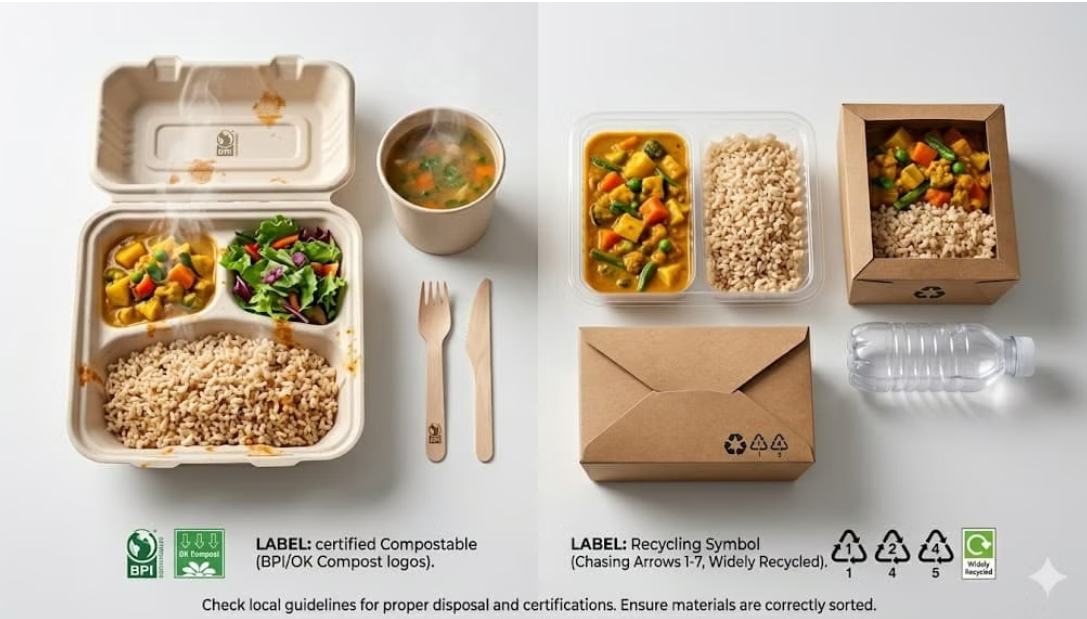
- Recycling symbols and item identification codes for the EU Specify labeling systems.
By demanding cross-departmental cooperation, these standards
influence procurement, supply chains, and product design. Companies
have to match their package portfolios against five compliance pillars:
material composition, recyclability validation, space optimization,
labeling correctness, and documentation readyness.
One operating adaptation framework: material transition roadmaps
1. Material Transition Roadmaps
Invest in advanced fiber-based solutions or chemical
recycling-compatible polymers for high-risk sectors including luxury
goods and electronics. Verify alternative materials against targets
for carbon reduction and protection demands through lifetime studies.
2. Packaging Engineering: Overhaul
Maximize structure designs and obtain ≥92% space economy using 3D
simulation tools. For example, manufacturers of automotive parts are
applying tessellation-inspired designs that, although maintaining impact
resistance, reduce protective packaging volume by 18–22%.
3. Supp chain reconfiguration
Provide supplier scorecards tracking of recycled content verification
(RCV) and material traceability. Big retailers today demand Tier 2
suppliers to provide blockchain-tracked material provenance data.
Latest Post